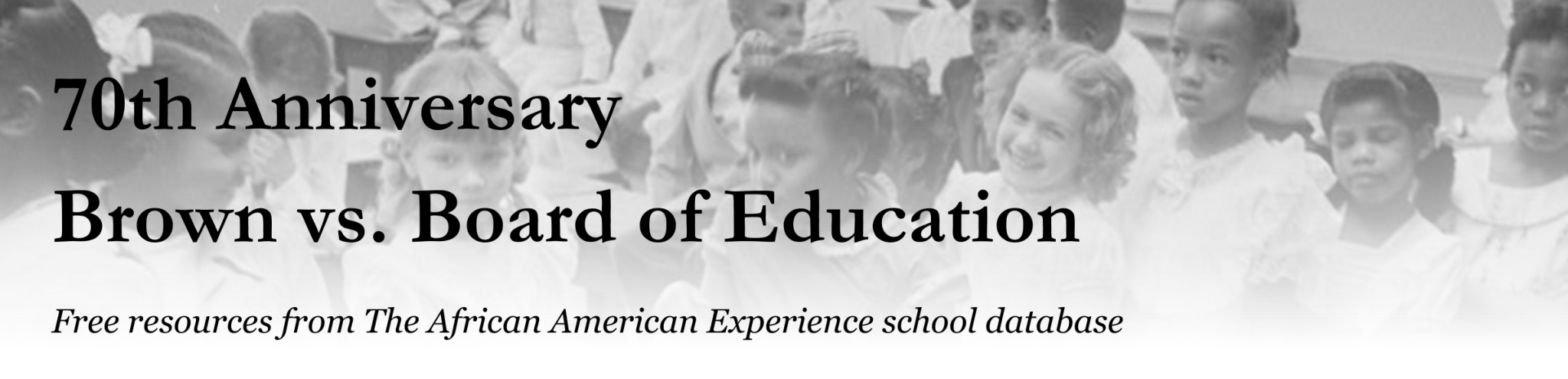
Brown v. Board of Education (1954) was a landmark in efforts to desegregate the United States during the civil rights movement. This reference article provides an overview and breakdown of the case.
Considered one of the most important Supreme Court cases in American history, the Brown case effectively reversed the course of American legal history on racial issues, and in the process likewise reversed the course of American society and race relations for future generations. It abolished the separate-but-equal doctrine established by Plessy v. Ferguson and Cumming v. Richmond County Board of Education, and opened all the nation’s public schools to integration.
The definition of desegregation in education has evolved over time. School desegregation has meant the removal of barriers maintaining segregation as well as the affirmative action of mixing those who have been separated. This article discusses what desegregation in schools as well as desegregation in other domains of American society means.
An education in American history would not be complete without an understanding of African American history and its relation to that of the greater U.S. The African American Experience: The American Mosaic provides a comprehensive survey of African American history and its heartbreaking struggles, major movements—political, social, artistic, and literary—and most notable events and legislative reform. Featuring articles and essays from African American authors and contributors, it gives voice to the experience of African Americans from their arrival in the Americas through to the present day, including the influence of the Black community on popular culture and the aspirations of African Americans, as well as their struggles.
By clicking “Accept All Cookies”, you agree to the storing of cookies on your device to enhance site navigation, analyze site usage, and assist in our marketing efforts. Accept All Cookies | Decline.?✕